DataNet IT Logo
3d Bew Modern Office Buildings Exterior.

Enterprise Structured Cabling

Offices, laboratories, gyms, cafés, and other commercial facilities all depend on reliable data connectivity. Using improper materials or poor installation practices can result in intermittent network performance, difficult troubleshooting, costly repairs, and failed inspections. Designing and installing structured cabling systems that meet or exceed BICSI standards helps ensure compliance with state and local codes while providing a dependable foundation for current and future technology needs.

Choosing a structured cabling partner whose technicians are certified by the manufacturers specified for a project provides an added level of quality assurance. Manufacturer-certified installations often qualify for extended warranties ranging from 15 to 25 years, protecting the organization’s investment and ensuring long-term system performance.

Enterprise Structured Cabling

Structured Cabling Design and Installation Best Practices

There are several critical factors to consider when designing and installing a structured cabling infrastructure:

Cabling Support
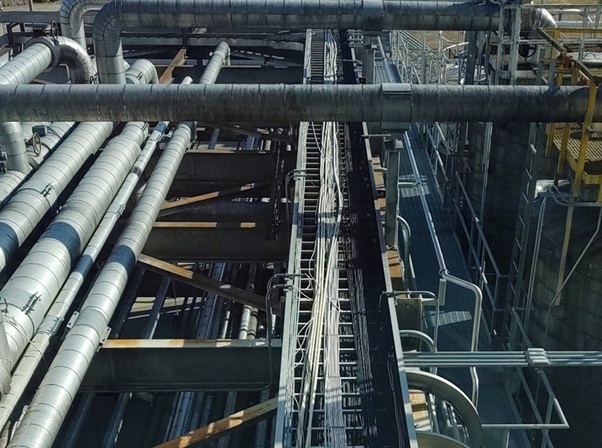
Whether installing a single data cable or a bundle of 24 or more cables, all free-air cabling must be properly supported at intervals of 4 to 5 feet. Support methods typically include J-hooks or cable tray systems for larger cable pathways. Proper support prevents cable sagging, reduces strain on terminations, and helps maintain network performance throughout the life of the installation.

Firestopping
Cabling that penetrates fire-rated walls, floors, or ceilings must be installed using approved firestopping methods and materials that comply with applicable fire codes. Improper firestopping can compromise the integrity of fire barriers, create safety hazards, and result in failed inspections by the fire marshal or authority having jurisdiction (AHJ).

A Business Office Building Drawing

Fill Ratio
Cable trays, conduits, and other pathways should be designed with capacity for future growth. During initial installation, pathway fill should not exceed 40% of capacity, leaving an additional 20% available for future expansion. Exceeding a 60% fill ratio can place excessive pressure on cables, potentially crushing those at the bottom of a bundle or causing damage during cable pulls through conduit. Maintaining proper fill ratios helps preserve cable performance and simplifies future additions.

Labeling
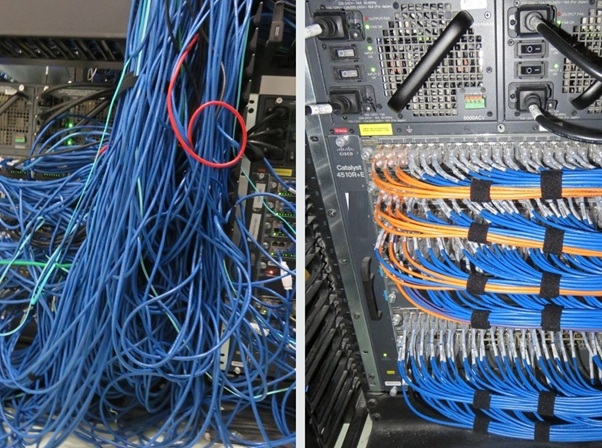
Accurate and consistent labeling is essential for effective cable management. Every cable, patch panel port, faceplate, and telecommunications room component should be clearly identified according to a documented labeling scheme. Proper labeling significantly reduces troubleshooting time, simplifies moves, adds, and changes (MACs), and helps ensure that network documentation remains accurate throughout the life of the system.

Documentation
Comprehensive documentation is another key component of a successful structured cabling installation. As-built drawings, cable schedules, test results, and labeling records provide valuable information for future maintenance and expansion projects. Well-maintained documentation reduces downtime, improves troubleshooting efficiency, and ensures that infrastructure changes can be made confidently and accurately.

Regina Skyline And Cityscape With Buildings And Reflections In Saskatchewan, Canada

Build a Network Infrastructure That Lasts

A well-designed structured cabling system is an investment in the long-term performance, reliability, and scalability of your organization. By following industry best practices and BICSI standards, businesses can deploy a code-compliant infrastructure that supports current technology while remaining flexible enough to accommodate future growth. From proper cable support and firestopping to accurate labeling and thorough documentation, every detail plays a critical role in the overall success of the network.

Whether you’re constructing a new facility, renovating an existing building, or expanding your network, investing in a professionally designed structured cabling system reduces downtime, simplifies future upgrades, and protects your technology investment for years to come. With the right infrastructure in place, your business is prepared to support today’s connectivity demands and tomorrow’s innovations with confidence.

Contact Us

A Modern Office Interior With Desks, Chairs, And Computers, Lots Of Natural Light From Large Windows, And A Cityscape View. 3d Rendering

What is structured cabling?

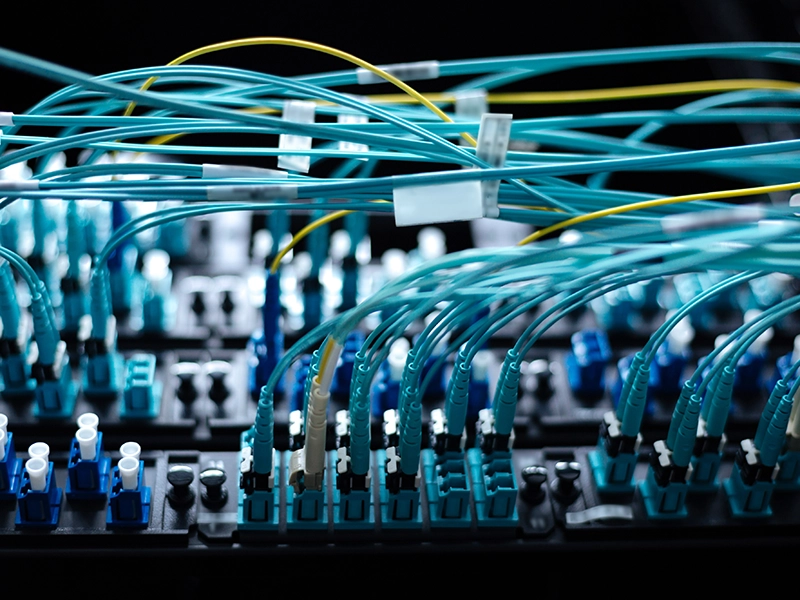
Structured cabling is a standardized telecommunications infrastructure that supports data, voice, video, wireless, and other network systems throughout a building or campus. It provides an organized, scalable foundation that simplifies maintenance, troubleshooting, and future expansion.

How long does a structured cabling system last?

A properly designed and installed structured cabling system can last 15 to 20 years or more. While network equipment such as switches and access points may be upgraded several times during that period, quality cabling infrastructure is built to support evolving technologies and higher bandwidth requirements.

Why is proper cable labeling and documentation important?

Accurate labeling and documentation make it easy to identify cable runs, patch panel ports, and network connections. This reduces troubleshooting time, simplifies moves, adds, and changes (MACs), minimizes downtime, and ensures future technicians can efficiently manage the network.

Why should I hire a professional for structured cabling installation?

Professional installers follow industry standards such as BICSI and applicable building codes to ensure your cabling system is installed correctly. Proper installation includes cable support, pathway planning, firestopping, testing, labeling, and documentation, resulting in a reliable, code-compliant infrastructure that delivers optimal network performance for years to come.


Ready to plan your IT project?