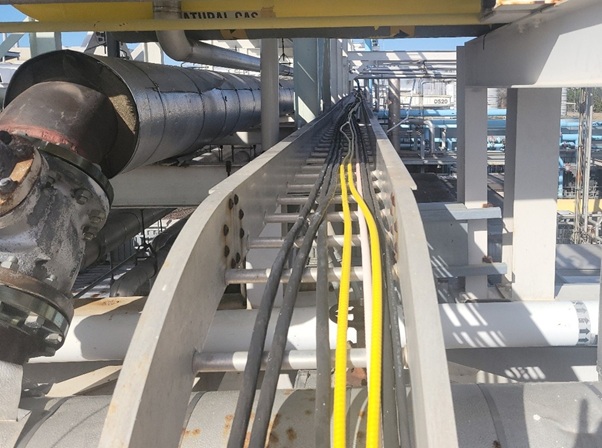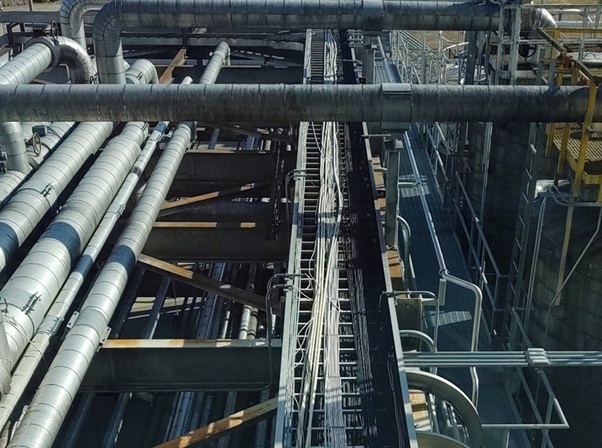
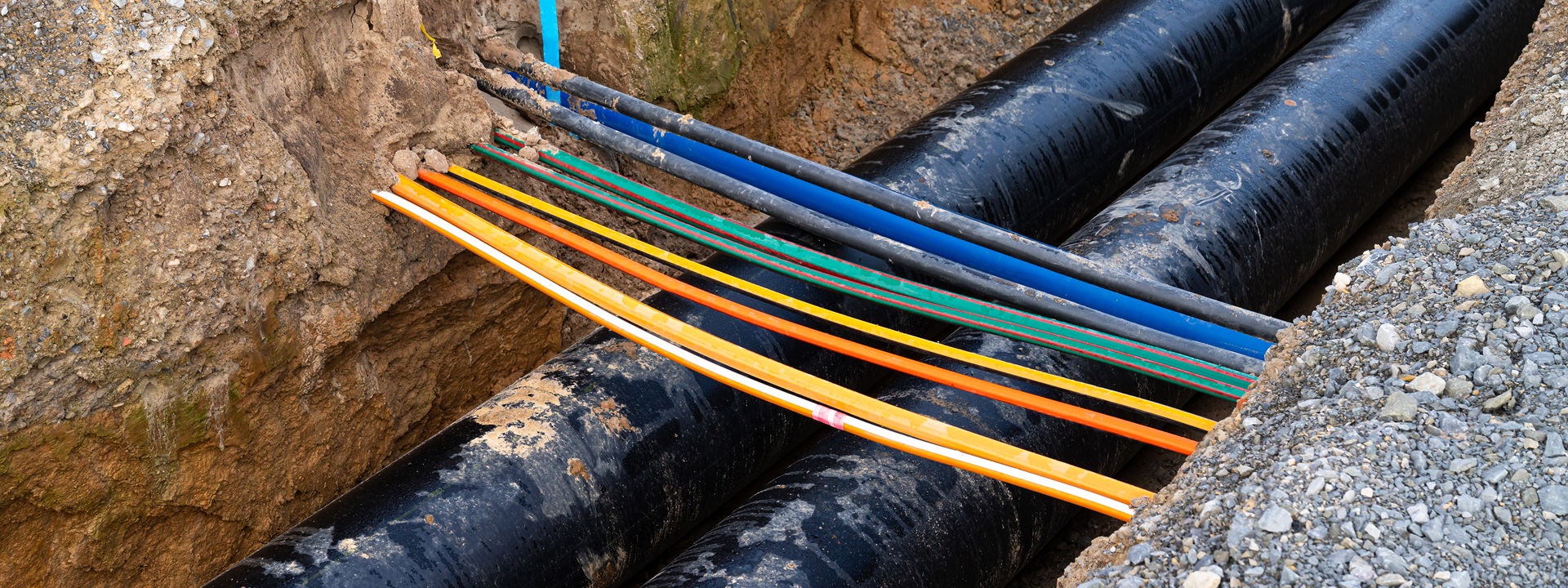





Whether connecting a truck scale or interconnecting multiple buildings across a campus, any cabling that leaves a building’s physical boundaries must use Outside Plant (OSP) rated materials. Outside Plant (OSP) cabling refers to communications cabling installed outside a building and exposed to environmental conditions such as moisture, sunlight, and temperature extremes.
OSP cable is specifically designed with weather-resistant jackets and water-blocking materials to withstand these harsh conditions while maintaining reliable network performance. Proper installation methods, including the use of conduit, surge protection, and appropriate grounding, help ensure long-term reliability, reduce maintenance costs, and protect critical network infrastructure from environmental damage.
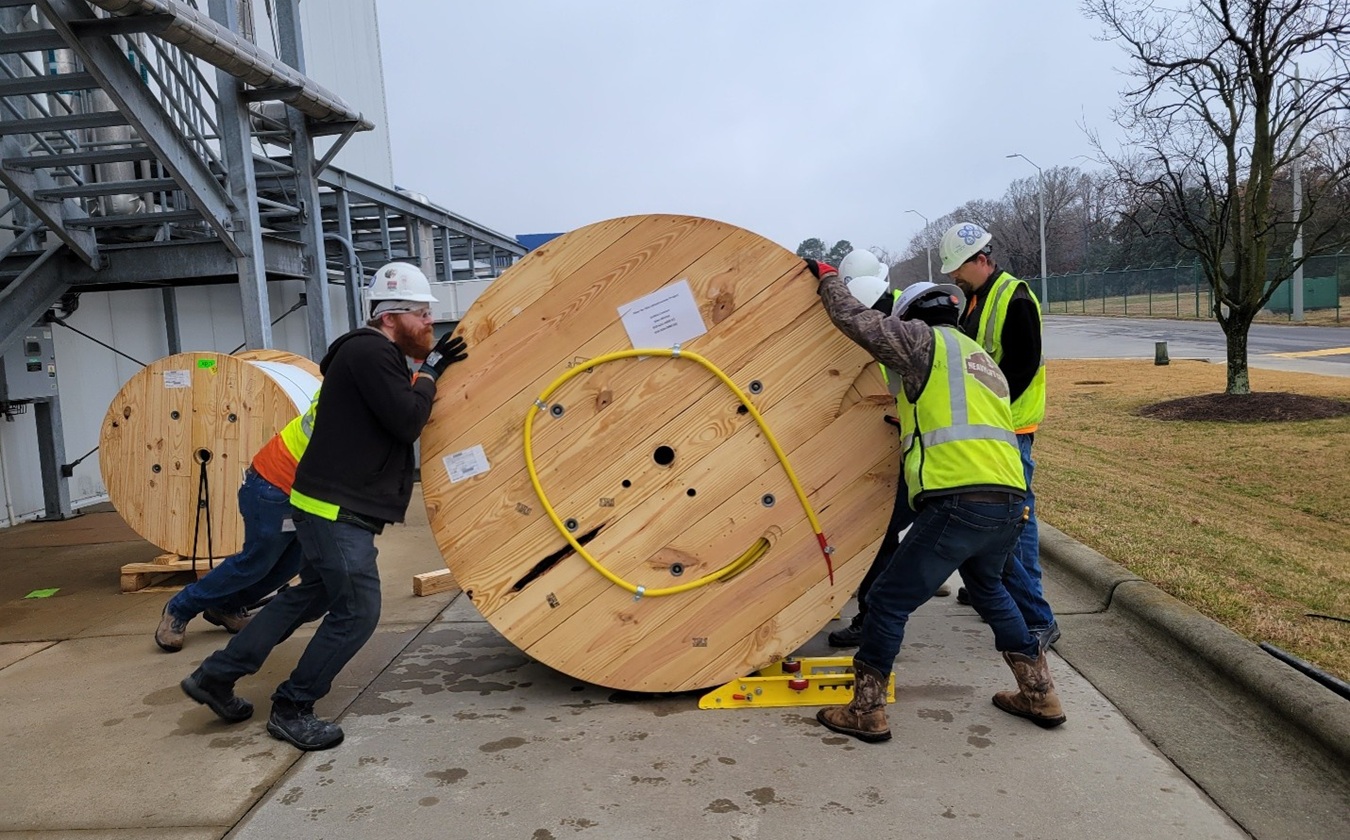
Proper planning and installation of OSP cabling is essential to ensure long-term network reliability and performance. Selecting the appropriate installation method depends on site conditions, distance, environmental exposure, and future expansion needs. Following industry standards and best practices helps protect the cabling infrastructure, minimize maintenance requirements, and reduce the risk of costly service interruptions.
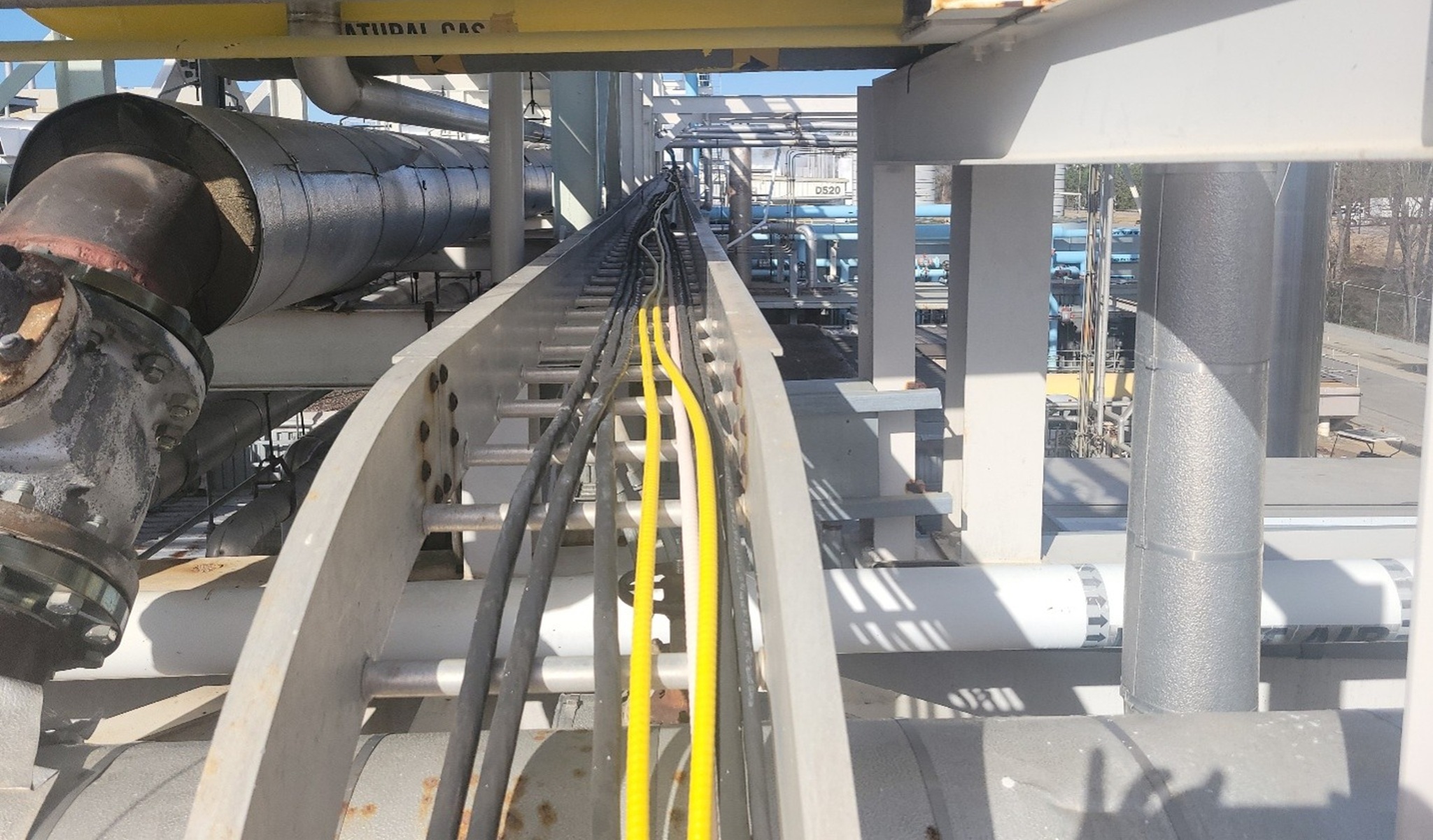
A properly designed OSP infrastructure provides reliable connectivity, simplifies maintenance, and accommodates future expansion while minimizing the cost and disruption of additional excavation.
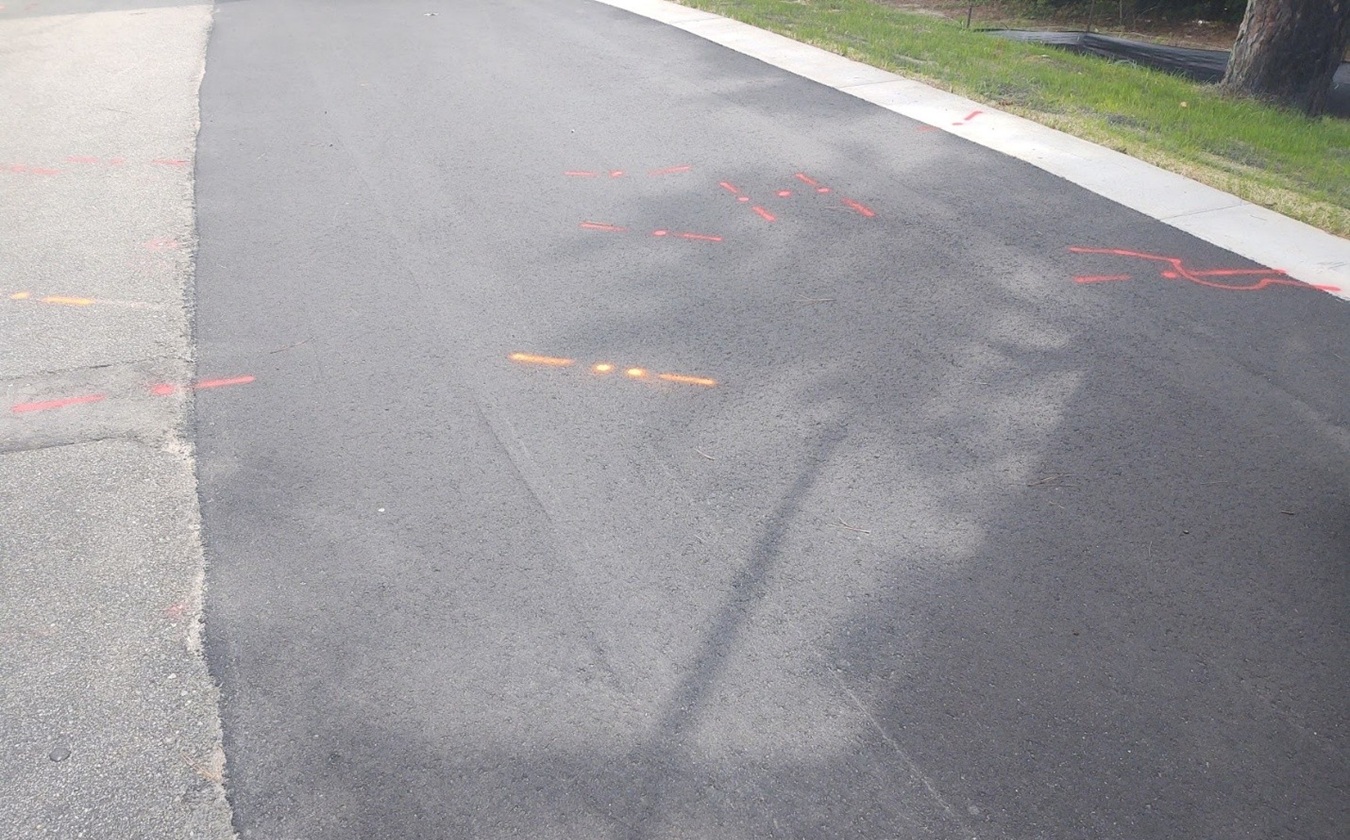
In addition, OSP designs should consider conduit fill capacity, cable pulling distances, bend radius limitations, and accurate route documentation. Including these elements during the planning phase helps ensure the installation complies with industry standards, reduces installation challenges, and makes future repairs, upgrades, or cable additions significantly easier without disrupting existing network services.
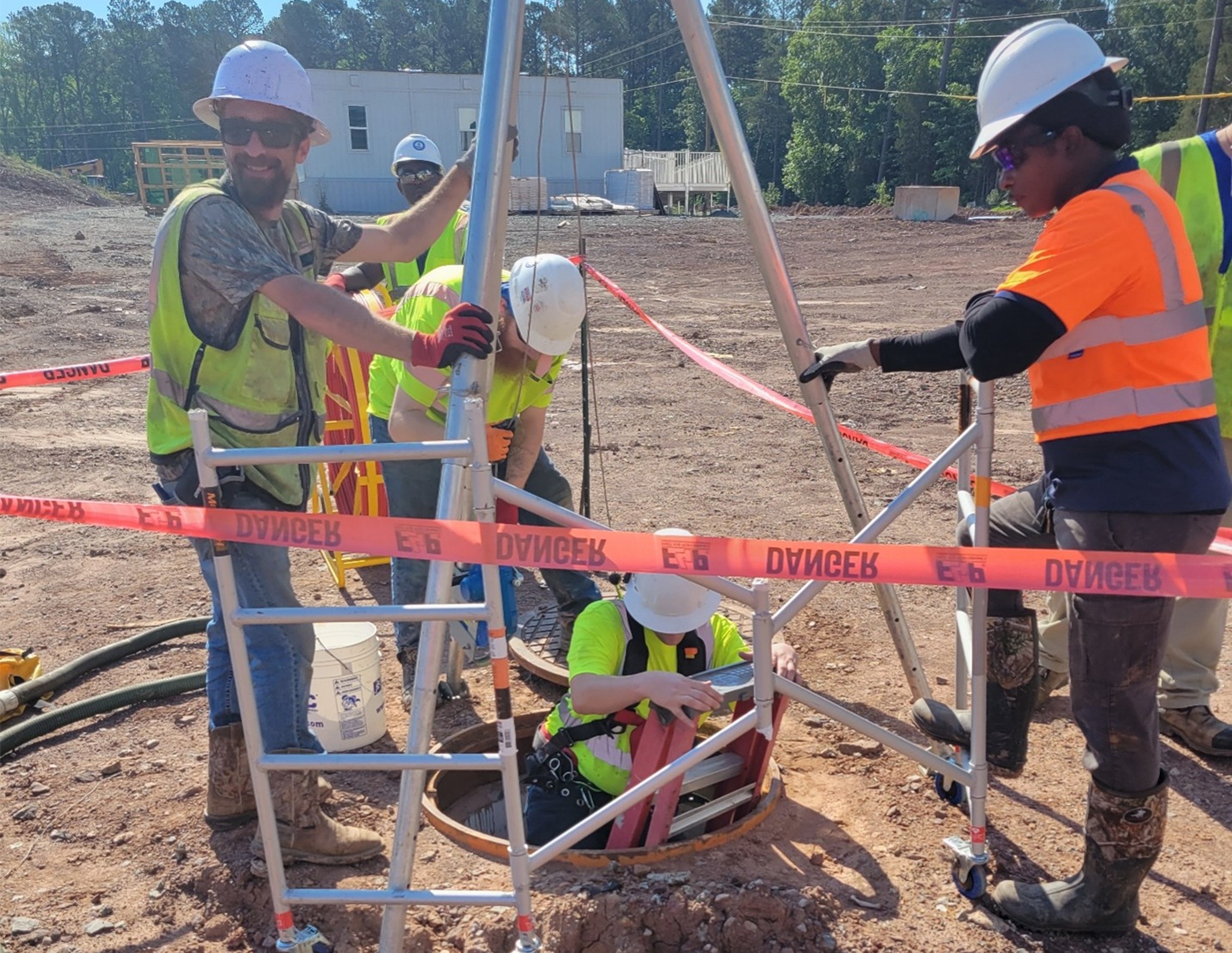
Locating and marking existing underground utilities before excavation is critical to personnel safety and helps prevent service interruptions, costly repairs, and regulatory violations.
Before any excavation begins, contractors should contact the appropriate utility locating service and allow sufficient time for all utilities to be identified and marked. Utility markings typically identify the location of electrical, gas, water, sewer, telecommunications, and other buried infrastructure using standardized color codes. Even after utilities have been marked, excavation should proceed cautiously using hand digging or vacuum excavation near marked lines to avoid accidental damage and ensure compliance with local regulations and industry best practices.
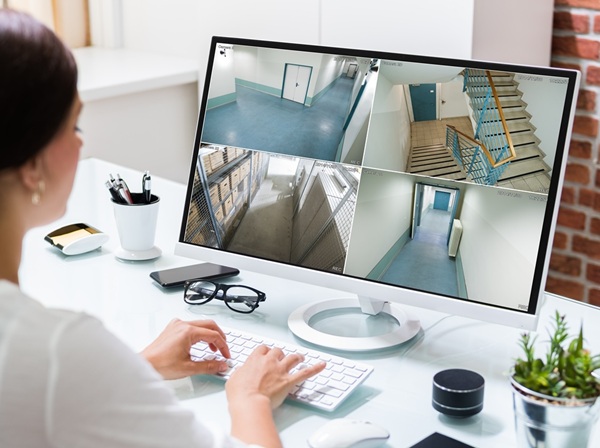
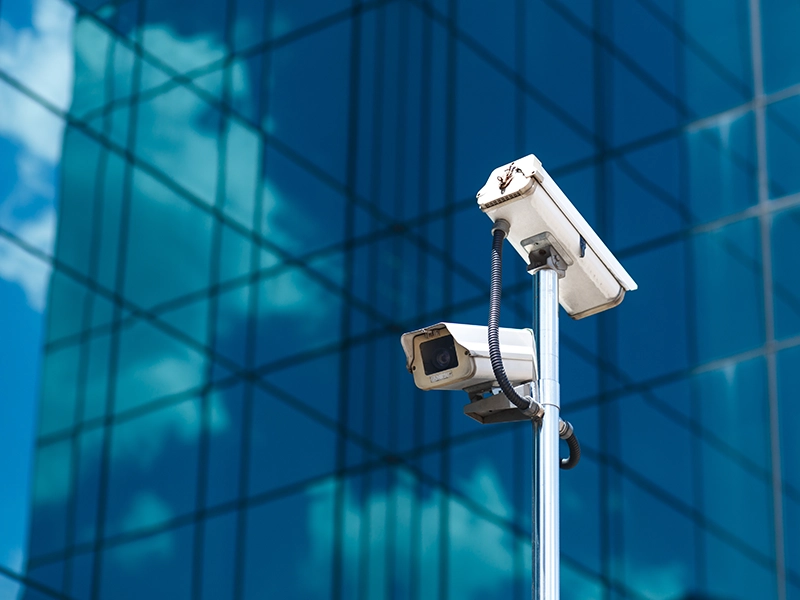
Safeguard what is most important to you through custom IT solutions. Enhanced security solutions with surveillance cameras and access control create safer environments for our customers.
Keep your business communication clear and open. Our business VoIP phone systems offer reliable remote work solutions and more with 100% uptime and fully redundant architecture.

Find flexible and scalable structured cabling solutions for your company. Future-proof your business network with a certified, full-service structured cabling contractor with decades of network experience.
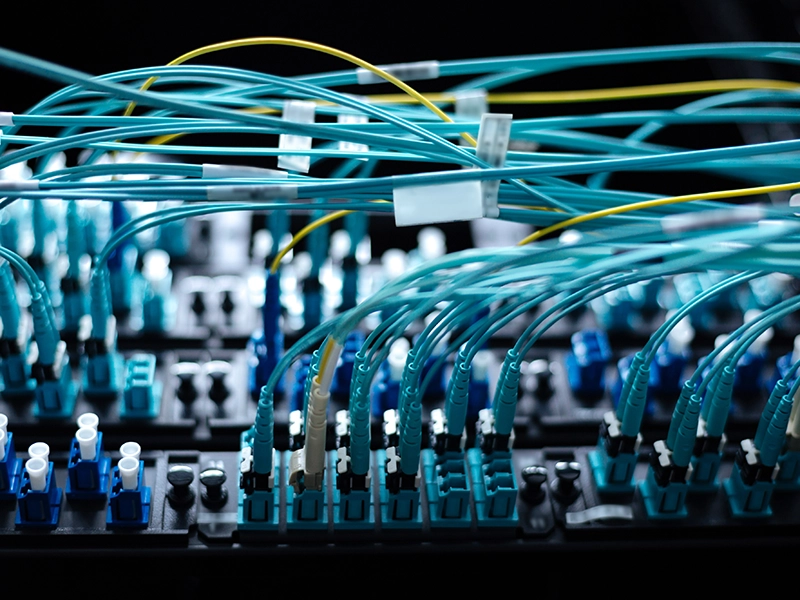
Enjoy a safe and seamless transition with minimal downtime during your next data center relocation. Discover how trusting a certified and experienced partner makes all the difference for your data center.

Your data is one of the most valuable parts of your business. Ensure your company data is safe and secure with superior data storage solutions from DataNet IT and NetApp.

Find the right person for your job with IT staffing solutions from DataNet IT. Our integrated, expert staff meet the needs of your company without long-term commitments while improving business scalability and agility.

Are you a hardworking problem solver with a passion for IT strategy? Jumpstart your IT career or take it to the next level with DataNet IT. See how to upgrade your career today.

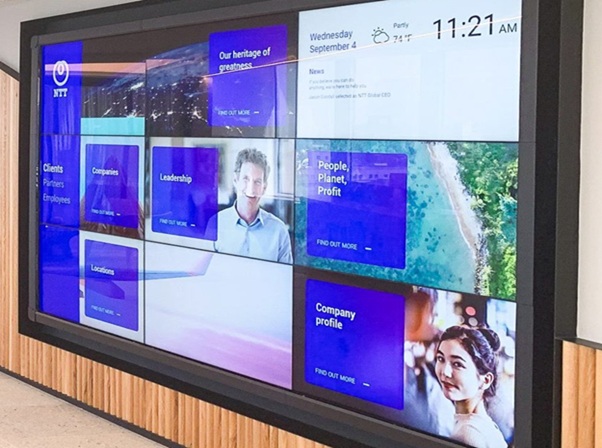
Ensure your brand is making the right impression. Upgrade your business and your message with custom digital signage solutions to promote your products and services.