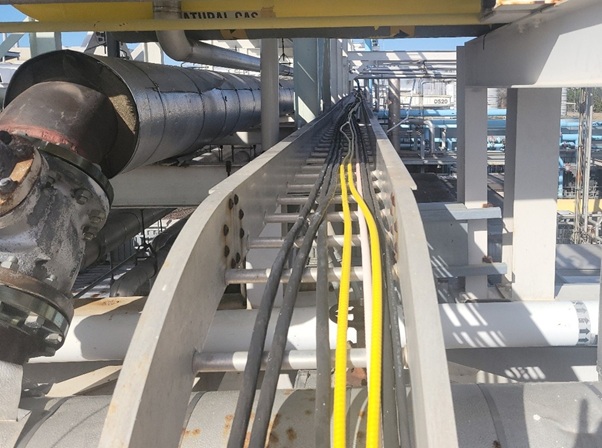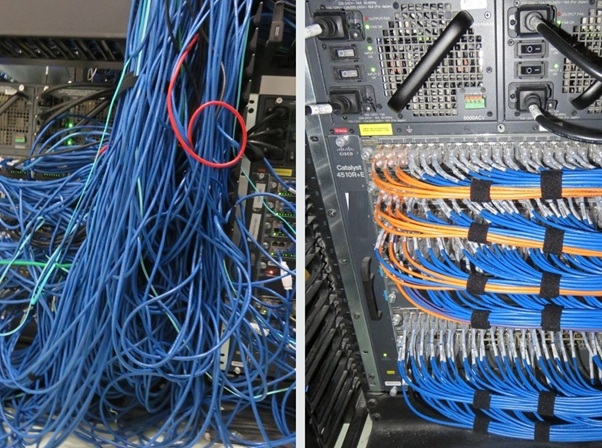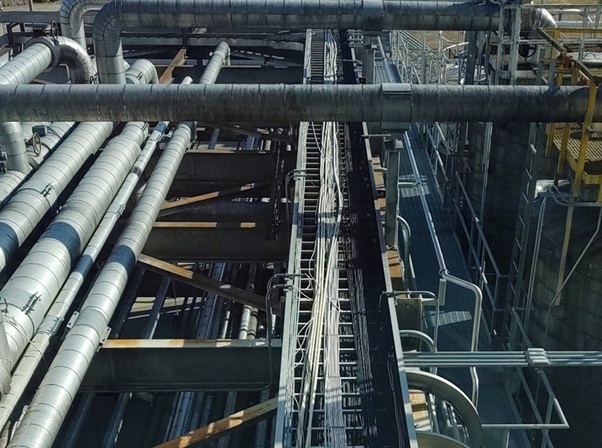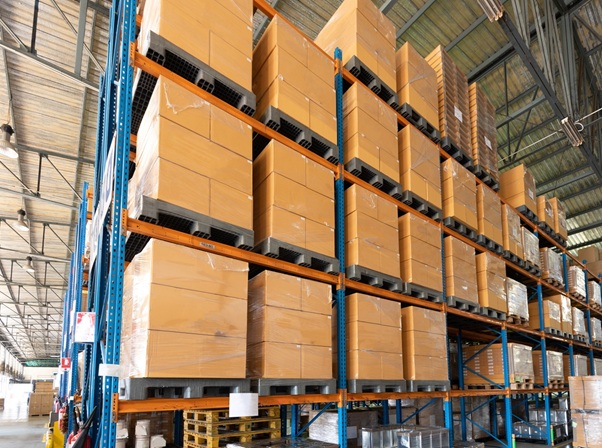
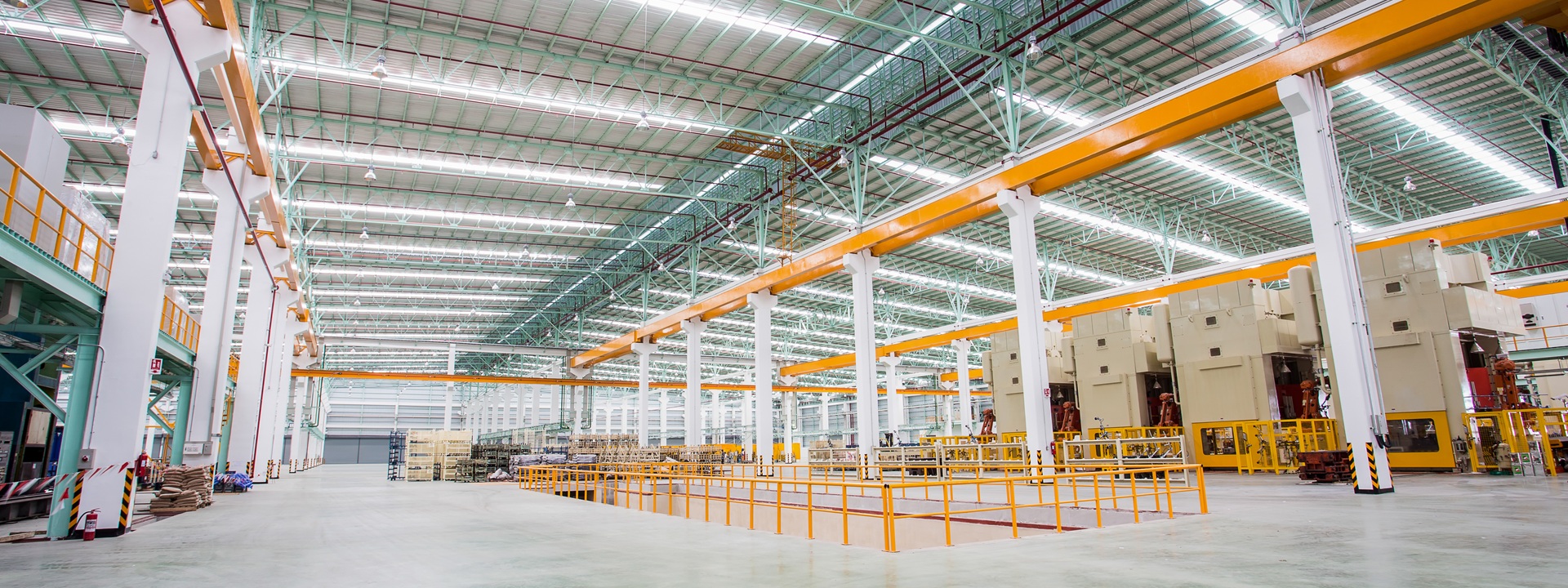



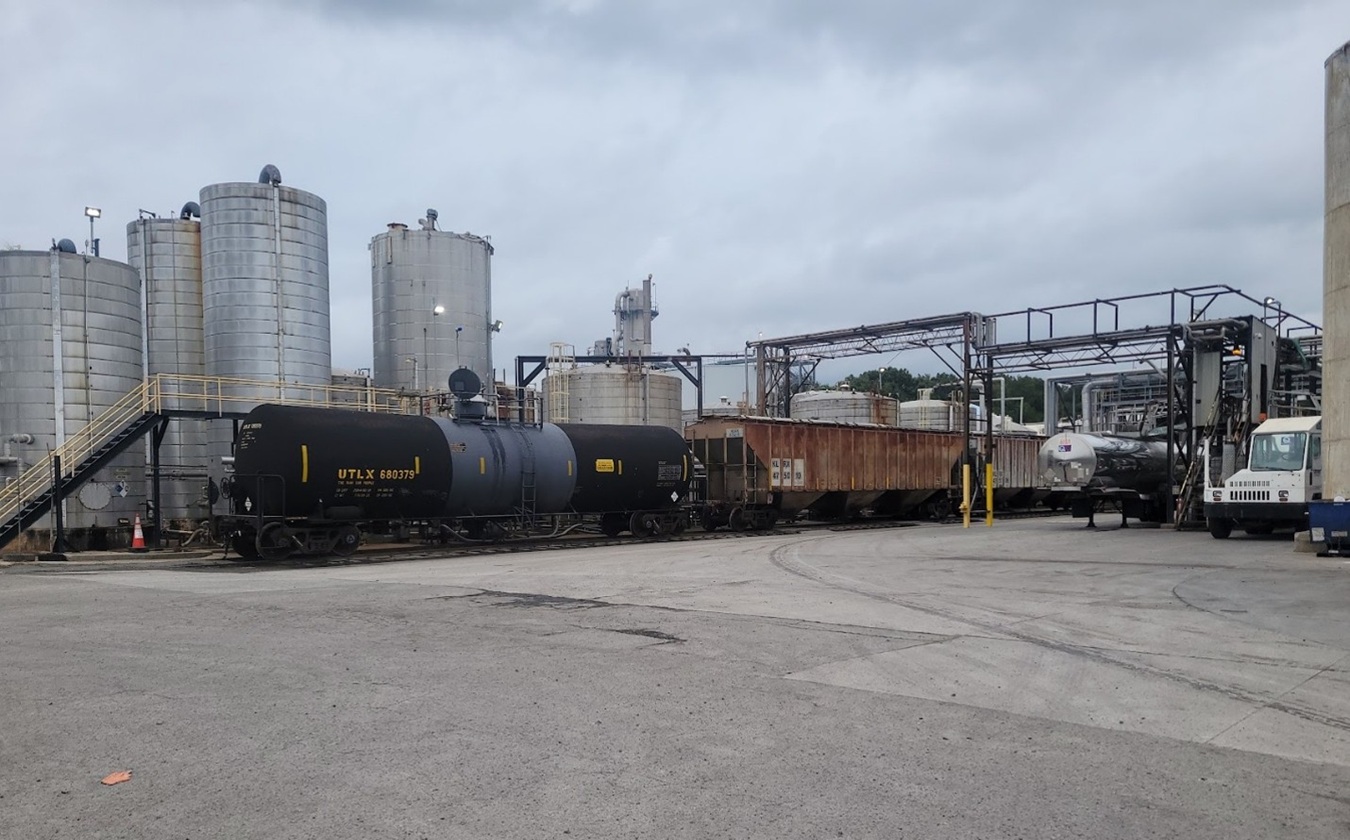
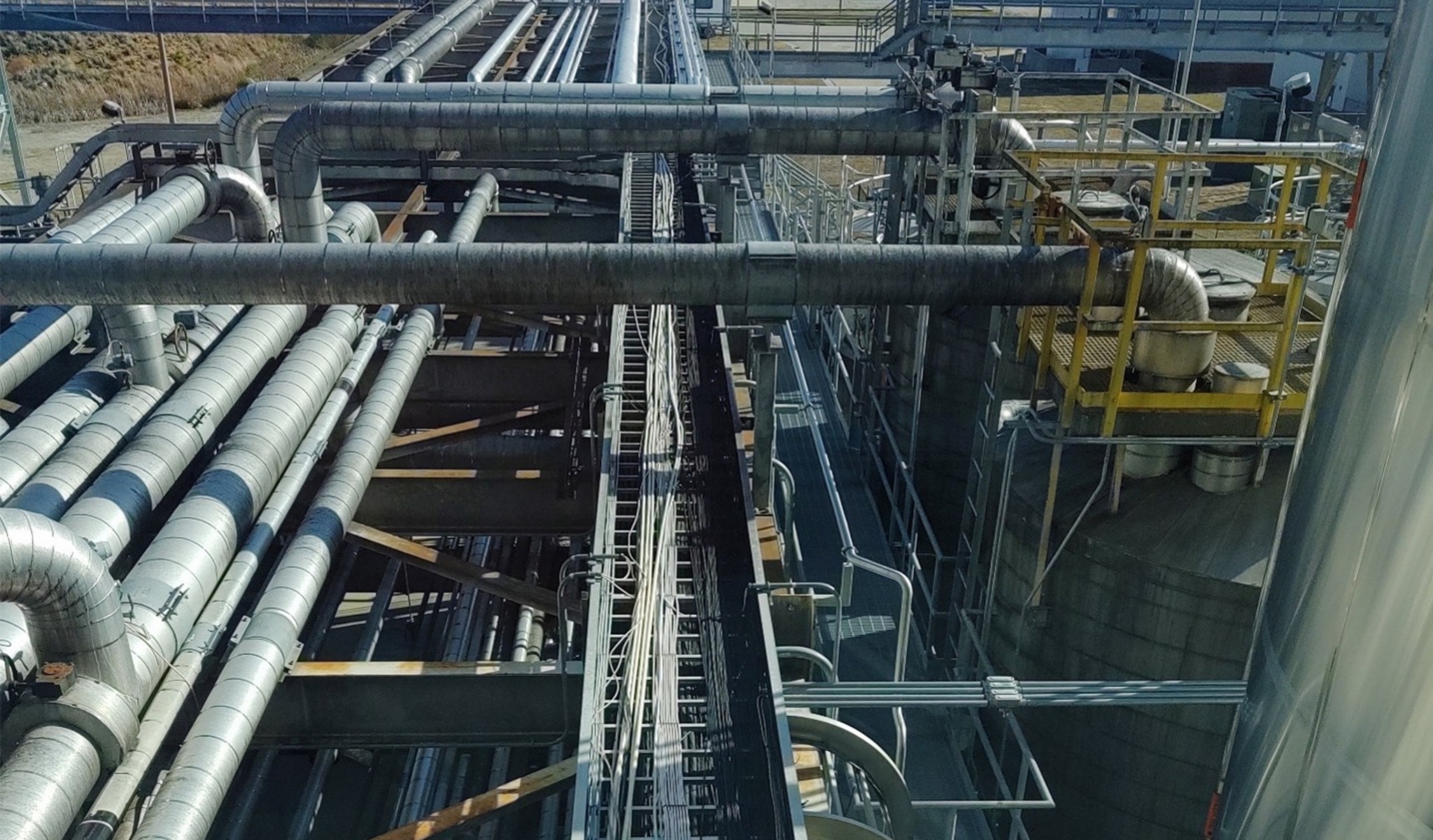
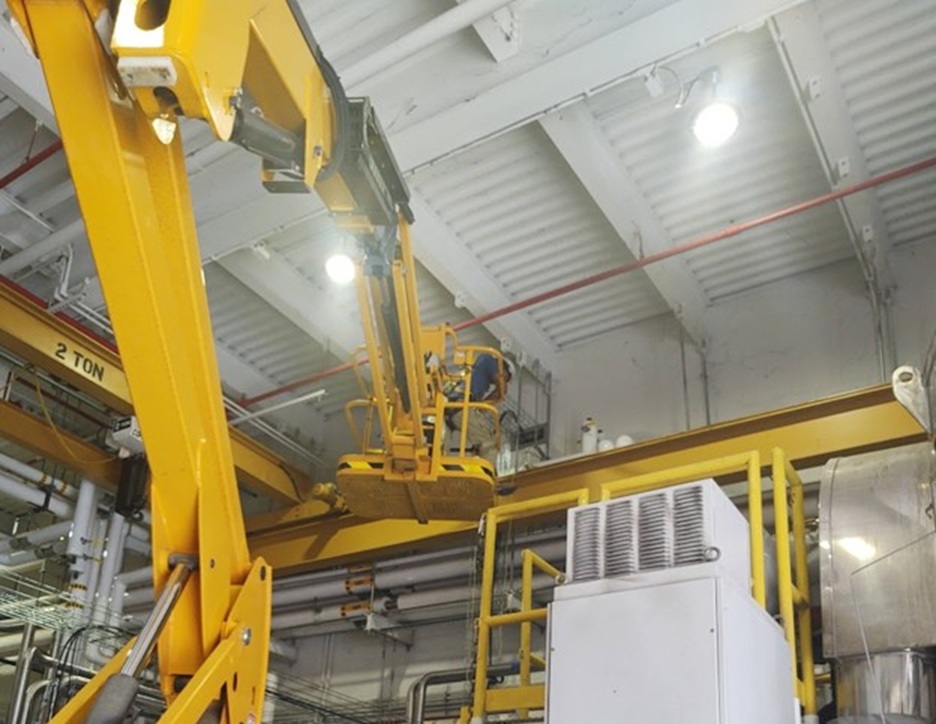
Industrial environments can have adverse effects on network cabling. Large sources of electromagnetic interference (EMI), extreme temperatures, vibration, moisture, and areas requiring frequent cleaning are often found in manufacturing plants, warehouses, and processing plants.
To maintain reliable network performance in these challenging environments, cabling systems must be designed with the appropriate materials, shielding, and installation methods. Industrial-rated cables, proper cable pathways, and protective enclosures help reduce the risk of signal degradation, physical damage, and premature failure. A well-planned industrial cabling infrastructure improves uptime, supports critical operations, and provides a foundation for future technology growth.
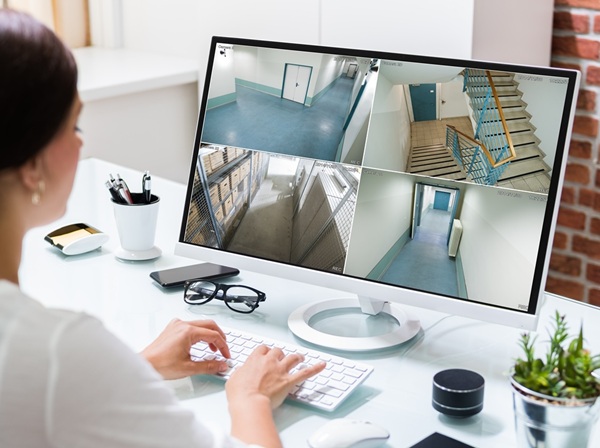
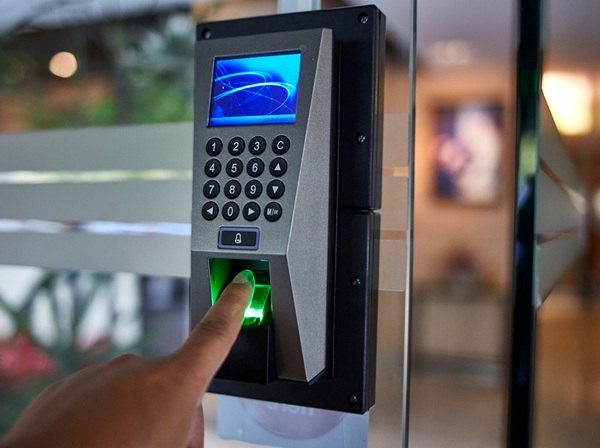
Safeguard what is most important to you through custom IT solutions. Enhanced security solutions with surveillance cameras and access control create safer environments for our customers.

Keep your business communication clear and open. Our business VoIP phone systems offer reliable remote work solutions and more with 100% uptime and fully redundant architecture.

Find flexible and scalable structured cabling solutions for your company. Future-proof your business network with a certified, full-service structured cabling contractor with decades of network experience.

Enjoy a safe and seamless transition with minimal downtime during your next data center relocation. Discover how trusting a certified and experienced partner makes all the difference for your data center.

Your data is one of the most valuable parts of your business. Ensure your company data is safe and secure with superior data storage solutions from DataNet IT and NetApp.

Find the right person for your job with IT staffing solutions from DataNet IT. Our integrated, expert staff meet the needs of your company without long-term commitments while improving business scalability and agility.

Are you a hardworking problem solver with a passion for IT strategy? Jumpstart your IT career or take it to the next level with DataNet IT. See how to upgrade your career today.

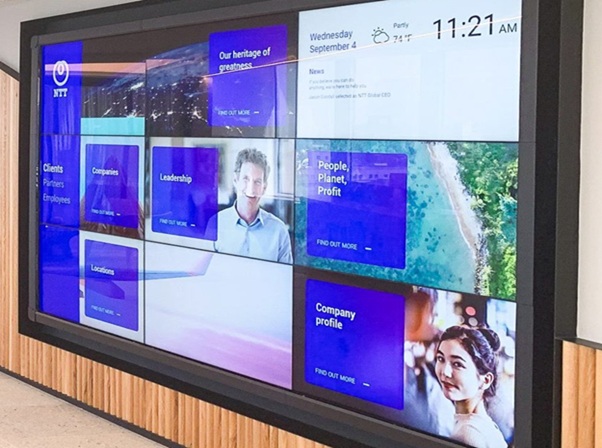
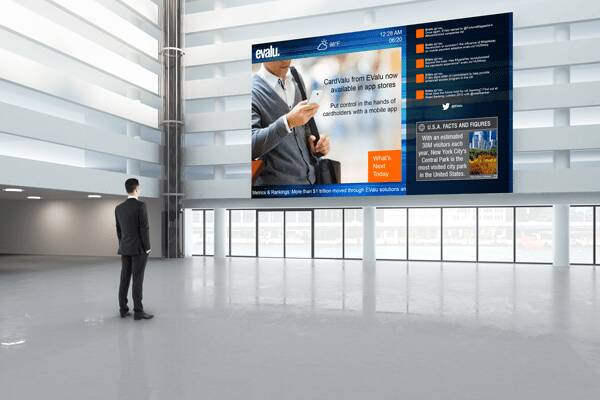
Ensure your brand is making the right impression. Upgrade your business and your message with custom digital signage solutions to promote your products and services.