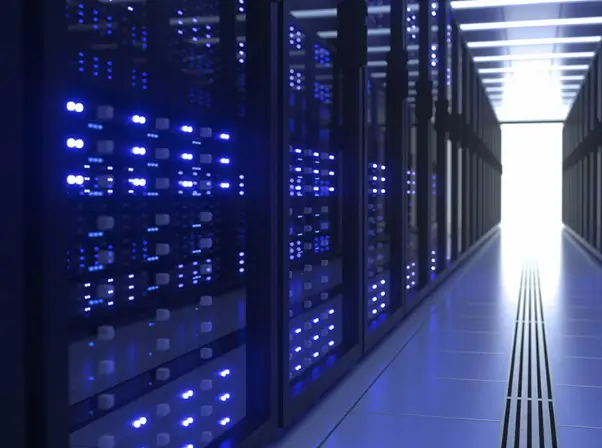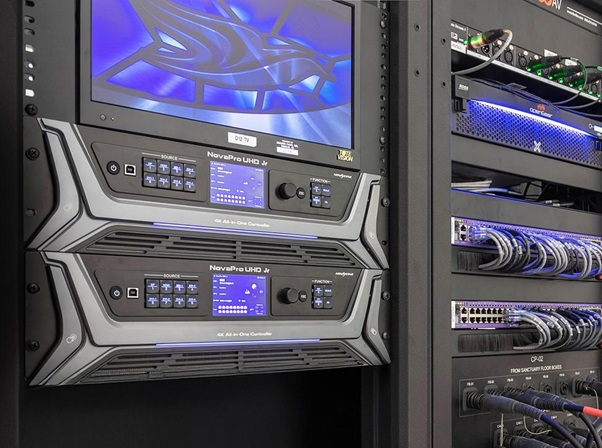







As organizations grow, relocate, consolidate, or downsize, the need to move mission-critical data center infrastructure becomes increasingly important. DataNet IT provides professional data center relocation services for projects ranging from a few cabinets to multiple rows of fully populated cabinets with complex equipment, cabling, and power connections.
Our relocation process is designed to help minimize downtime, protect sensitive equipment, and ensure that every device, connection, and cabinet is accurately documented, transported, reinstalled, and reconnected.

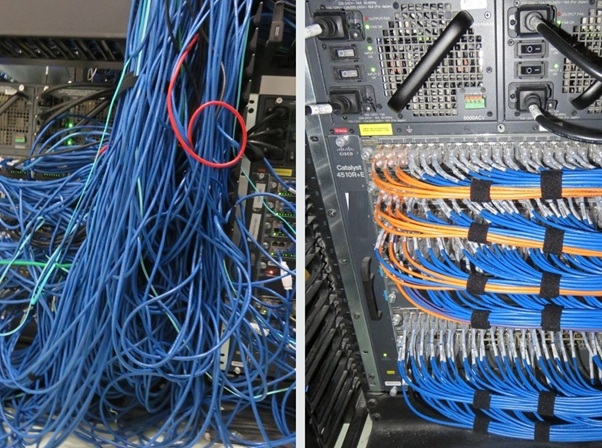
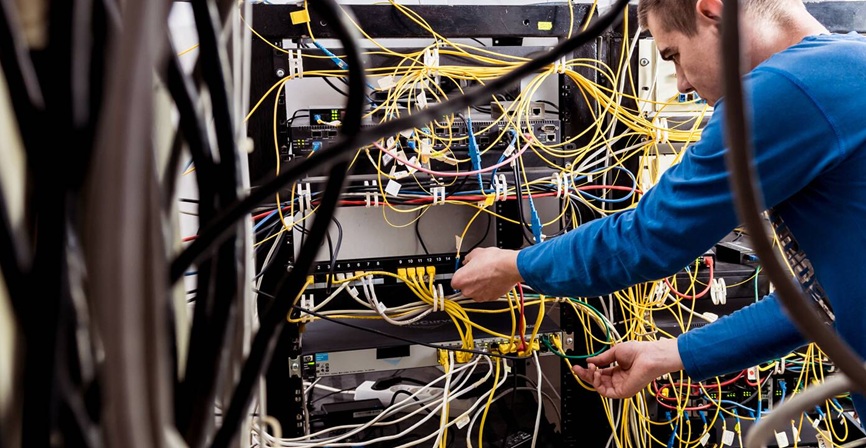
Poorly documented Main Distribution Frames (MDFs) and Intermediate Distribution Frames (IDFs) can lead to significant network issues, including unexpected outages, prolonged troubleshooting efforts, and increased labor costs when performing moves, adds, and changes (MACs).
As rack mounted and wall mounted equipment reaches End of Life (EOL), leaving it in place reduces valuable rack space. Replacing or removing equipment without proper documentation can further compound existing infrastructure challenges.
IT labor is a significant expense. Technicians can spend hours tracing a single cable if labeling is inaccurate or missing. These delays increase unexpected operational costs and extend resolution times during outages or infrastructure changes.
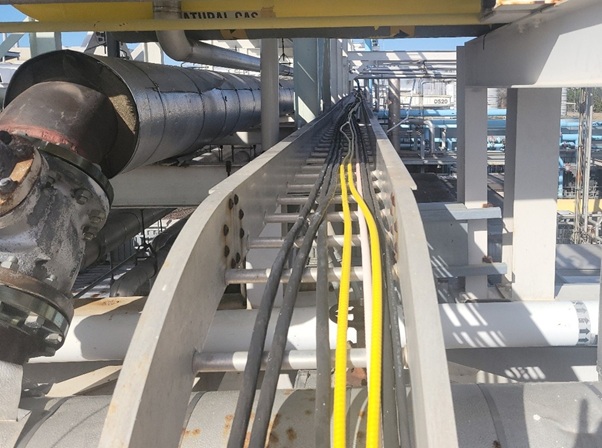
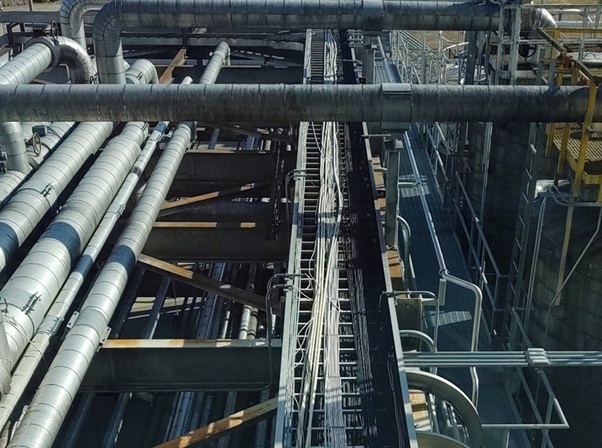
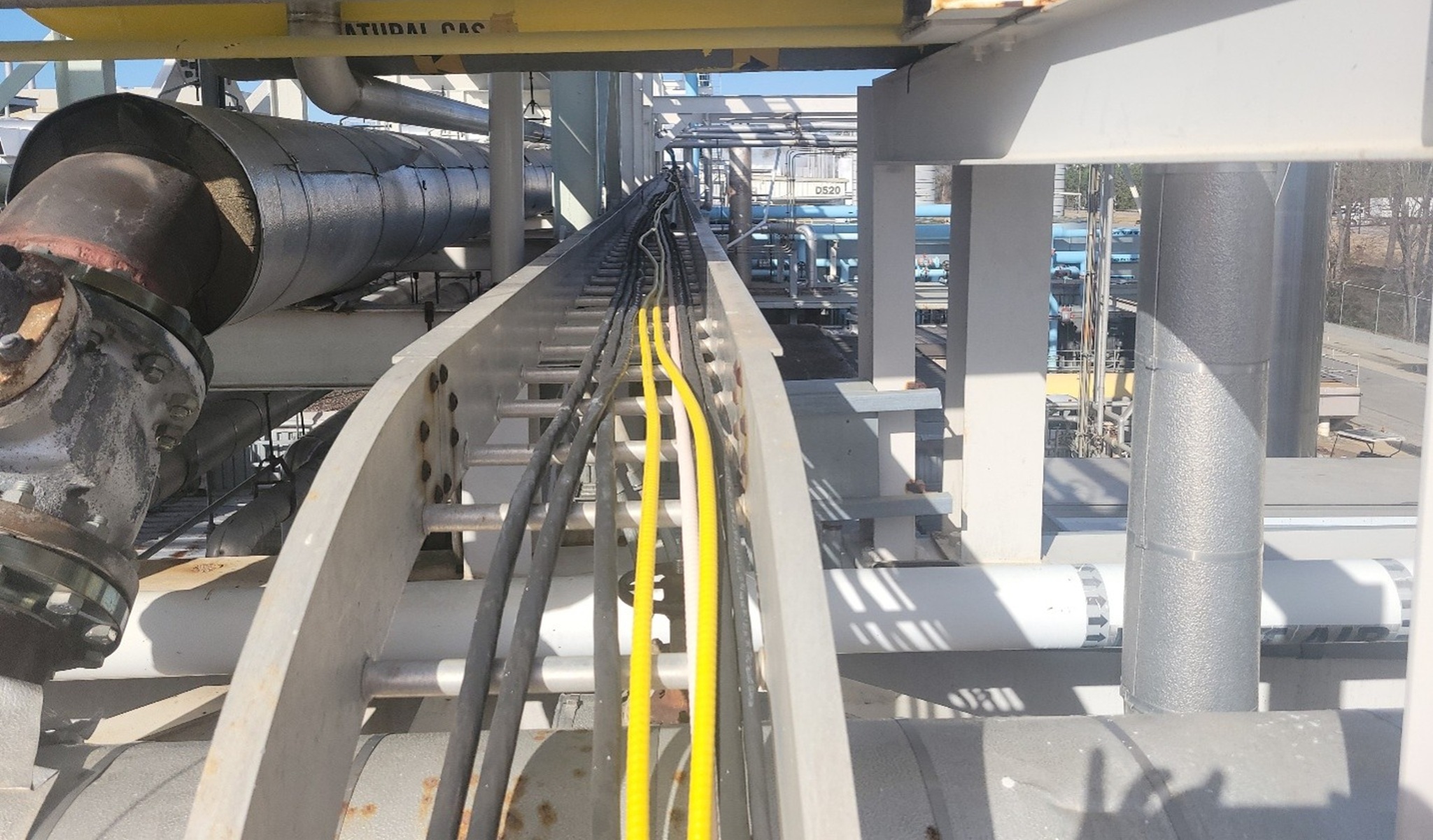
Whether connecting a truck scale or interconnecting multiple buildings across a campus, any cabling that leaves a building’s physical boundaries must use Outside Plant (OSP) rated materials. Outside Plant (OSP) cabling refers to communications cabling installed outside a building and exposed to environmental conditions such as moisture, sunlight, and temperature extremes.
OSP cable is specifically designed with weather-resistant jackets and water-blocking materials to withstand these harsh conditions while maintaining reliable network performance. Proper installation methods, including the use of conduit, surge protection, and appropriate grounding, help ensure long-term reliability, reduce maintenance costs, and protect critical network infrastructure from environmental damage.
Sound masking is an economical acoustic solution designed to reduce the travel and intelligibility of unwanted speech and noise. By introducing carefully engineered background frequencies, sound masking helps improve speech privacy, minimize distractions and create a more comfortable workplace environment. Scalable systems can be customized by zone and volume to support offices, healthcare facilities, law firms, financial institutions, educational buildings, retail spaces and more. Sound masking does not make a space silent. Instead, it makes conversations less noticeable and harder to understand. Our experts provide precision balancing before turnover, and system training is included with every sound masking quote.
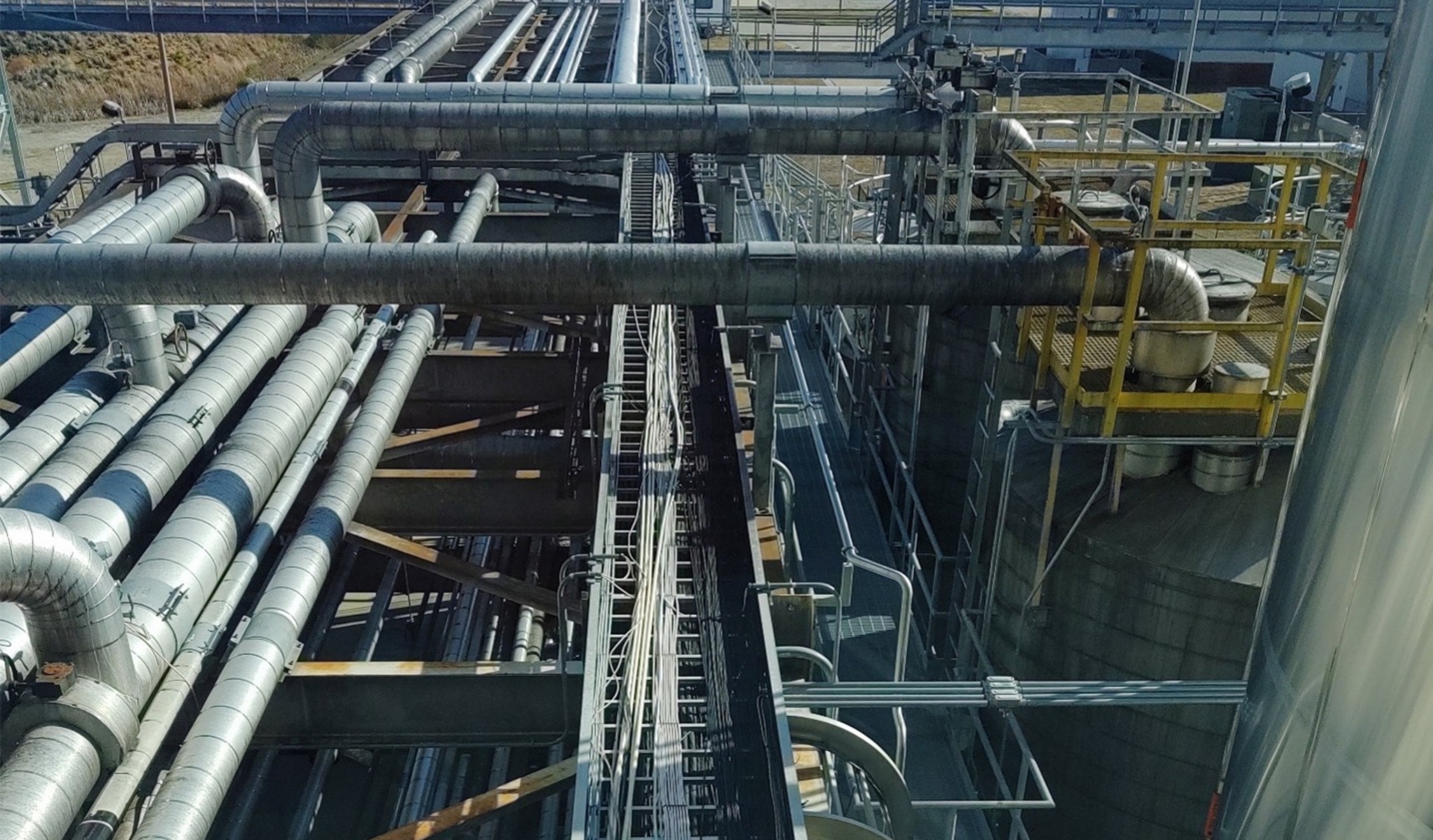
Industrial environments can have adverse effects on network cabling. Large sources of electromagnetic interference (EMI), extreme temperatures, vibration, moisture, and areas requiring frequent cleaning are often found in manufacturing plants, warehouses, and processing plants.
To maintain reliable network performance in these challenging environments, cabling systems must be designed with the appropriate materials, shielding, and installation methods. Industrial-rated cables, proper cable pathways, and protective enclosures help reduce the risk of signal degradation, physical damage, and premature failure. A well-planned industrial cabling infrastructure improves uptime, supports critical operations, and provides a foundation for future technology growth.
Offices, laboratories, gyms, cafés, and other commercial facilities all depend on reliable data connectivity. Using improper materials or poor installation practices can result in intermittent network performance, difficult troubleshooting, costly repairs, and failed inspections. Designing and installing structured cabling systems that meet or exceed BICSI standards helps ensure compliance with state and local codes while providing a dependable foundation for current and future technology needs.
Choosing a structured cabling partner whose technicians are certified by the manufacturers specified for a project provides an added level of quality assurance. Manufacturer-certified installations often qualify for extended warranties ranging from 15 to 25 years, protecting the organization’s investment and ensuring long-term system performance.
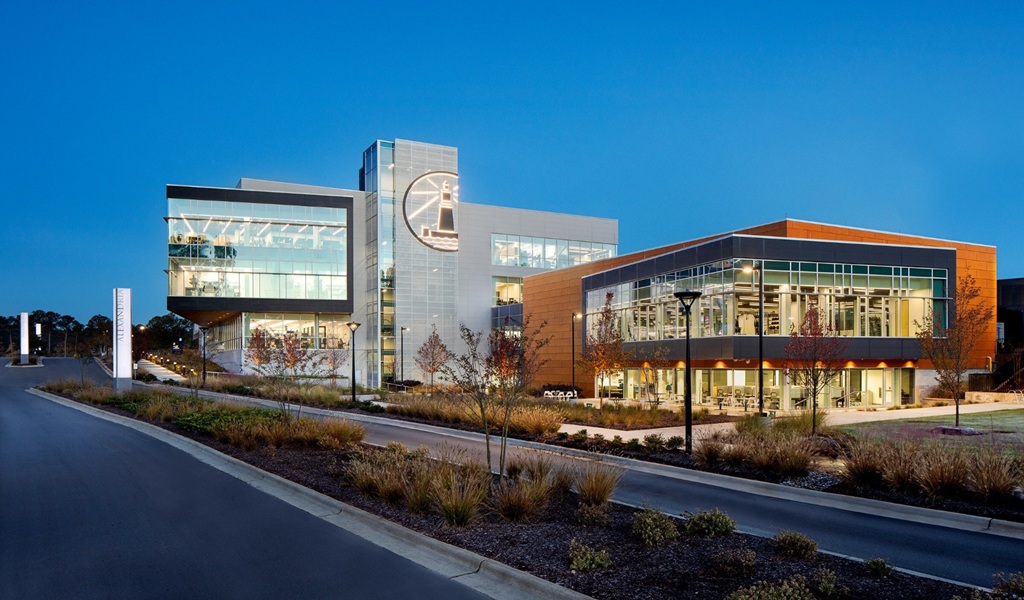
Structured cabling is a standardized network infrastructure designed to support data, voice, video, and other communication systems. A properly designed system creates a reliable foundation for your current technology while making it easier to scale as your business grows.
Poorly installed or outdated cabling can lead to connectivity issues, difficult troubleshooting, downtime, and unnecessary costs. Professional design and installation help ensure your network performs reliably and is ready to support future technology needs.
DataNet IT provides structured cabling solutions for a wide range of environments. Services include enterprise cabling, data center cabling, outside plant cabling, industrial environments, corporate facilities, and IDF/MDF infrastructure.
Frequent connectivity issues, outdated infrastructure, poor cable labeling, limited network capacity, office expansions, or a building renovation may all be signs that your cabling infrastructure needs to be evaluated.
Yes. A properly designed structured cabling system is built with scalability in mind. It can provide the infrastructure needed to support evolving network speeds, connected devices, security systems, AV solutions, and other technologies.
Working with certified technicians helps ensure your cabling system is installed according to industry standards and manufacturer requirements. DataNet IT notes that manufacturer-certified installations may also qualify for extended warranties of 15 to 25 years.
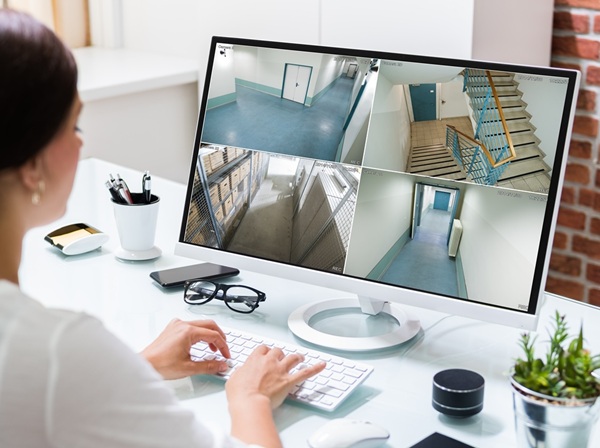
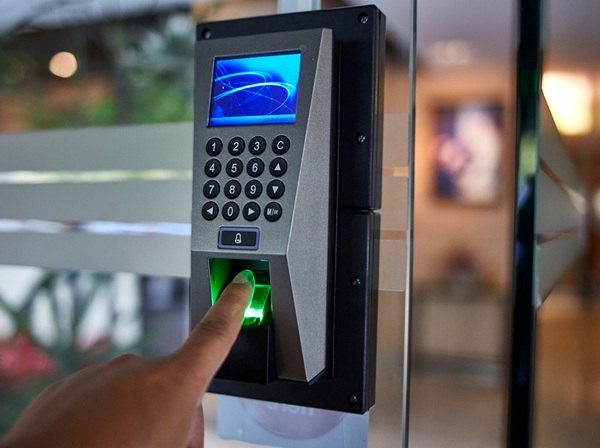
Safeguard what is most important to you through custom IT solutions. Enhanced security solutions with surveillance cameras and access control create safer environments for our customers.

Keep your business communication clear and open. Our business VoIP phone systems offer reliable remote work solutions and more with 100% uptime and fully redundant architecture.

Find flexible and scalable structured cabling solutions for your company. Future-proof your business network with a certified, full-service structured cabling contractor with decades of network experience.
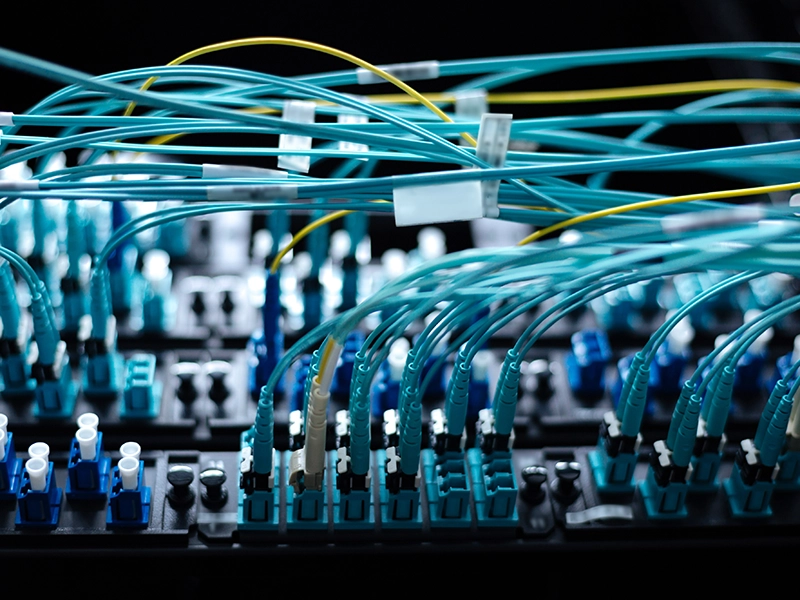
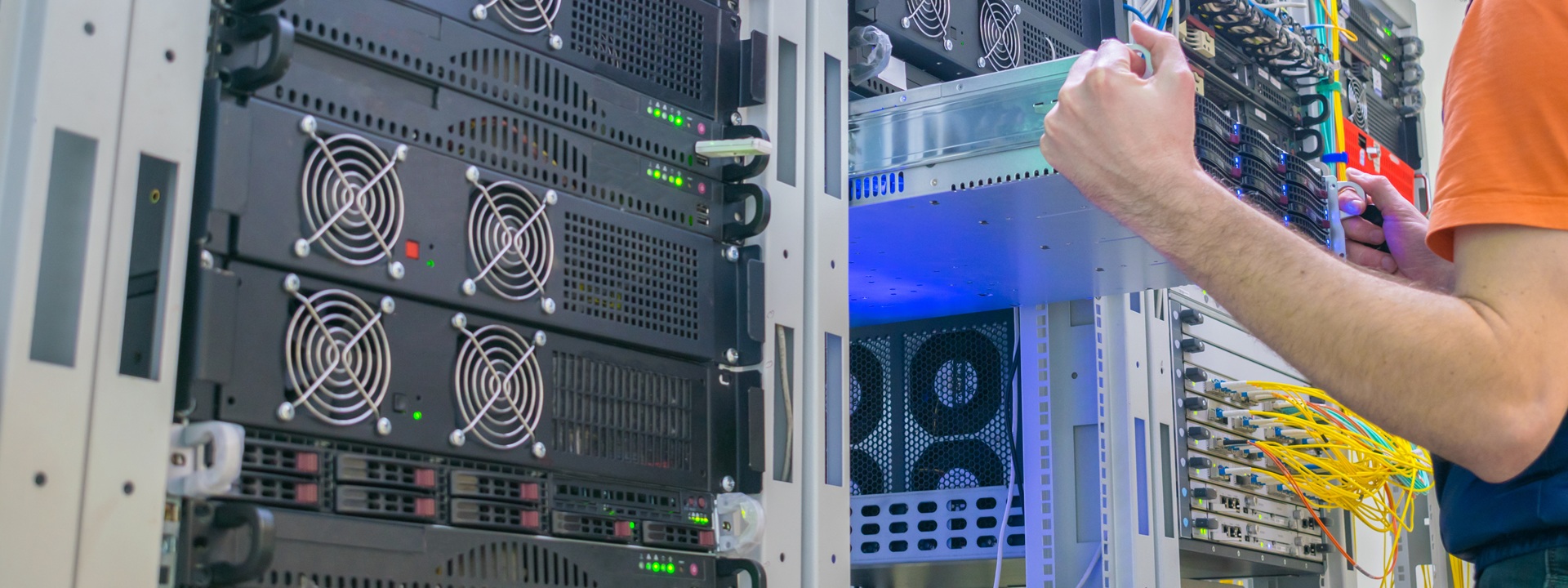
Enjoy a safe and seamless transition with minimal downtime during your next data center relocation. Discover how trusting a certified and experienced partner makes all the difference for your data center.

Your data is one of the most valuable parts of your business. Ensure your company data is safe and secure with superior data storage solutions from DataNet IT and NetApp.

Find the right person for your job with IT staffing solutions from DataNet IT. Our integrated, expert staff meet the needs of your company without long-term commitments while improving business scalability and agility.

Are you a hardworking problem solver with a passion for IT strategy? Jumpstart your IT career or take it to the next level with DataNet IT. See how to upgrade your career today.

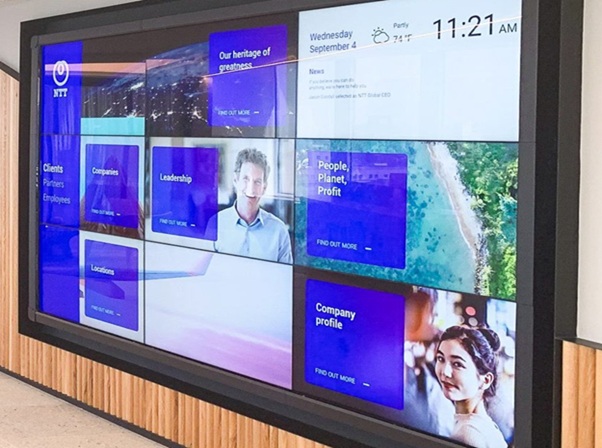
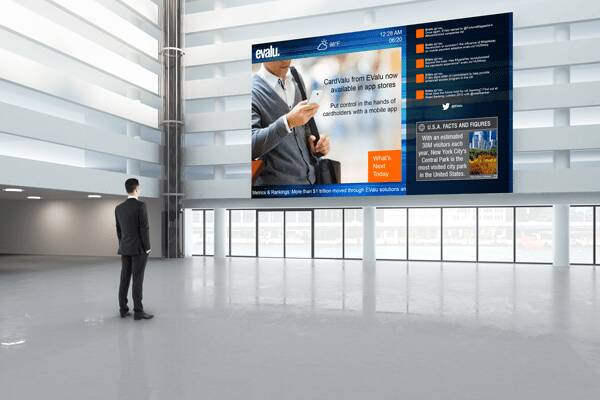
Ensure your brand is making the right impression. Upgrade your business and your message with custom digital signage solutions to promote your products and services.