





















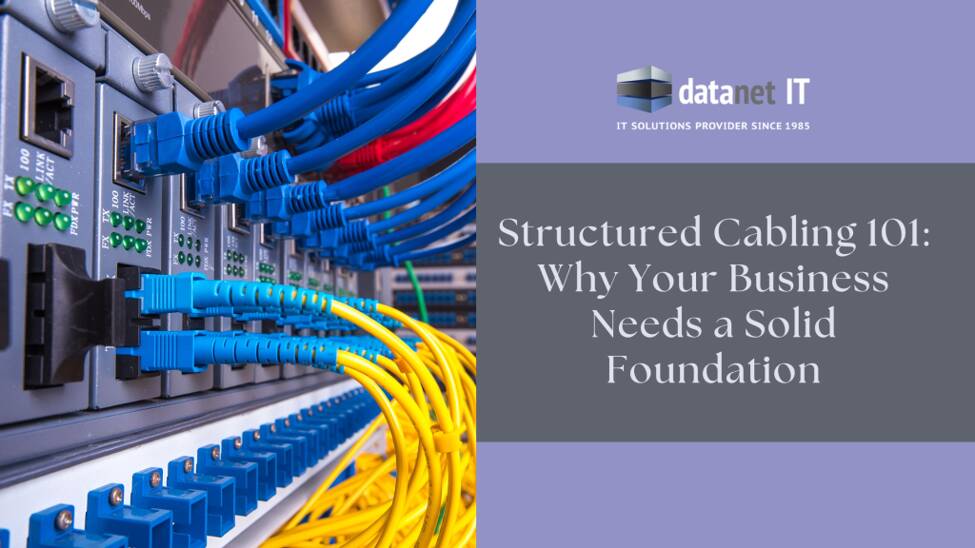
Structured Cabling 101: Why Your Business Needs a Solid Foundation
- Structured cabling provides a scalable, organized, and high-performance foundation that supports your business’s data, voice, and security needs efficiently.
- Professionally installed systems—especially by RCDD-certified experts—reduce downtime, simplify maintenance, and offer long-term cost savings.
- A strong structured cabling infrastructure enhances operational reliability, supports future technologies, and ensures compliance with industry standards
In an era where fast, seamless communication and data exchange are the lifeblood of any business, your network infrastructure must be built on a solid, scalable foundation. That foundation is structured cabling.
Many companies underestimate the significance of structured cabling, assuming it’s simply a matter of connecting devices with cables. However, structured cabling is more than just wires. It is an organized system of connectivity that powers data, voice, security, and video services throughout your organization. When designed and implemented professionally, structured cabling brings consistency, improves performance, reduces downtime, and makes future upgrades easy and cost-effective.
At datanet IT, we’ve seen firsthand how businesses thrive when they invest in a reliable cabling infrastructure. This blog will explain what structured cabling is, why it matters, and how it forms the digital backbone of your business operations.
Understanding Structured Cabling: The Basics
Structured cabling is a standardized approach to designing and installing a comprehensive telecommunications cabling system. It involves a series of subsystems and components—including twisted pair and fiber optic cables, patch panels, outlets, and racks—installed in a way that supports current and future network requirements.
Unlike point-to-point cabling, which runs cables directly between devices, structured cabling uses a central patch panel and hierarchical layout to make the system cleaner and more manageable. This organization streamlines both day-to-day operations and future expansion.
The six main components of a structured cabling system include:
- Entrance Facilities: Where outside service provider cables enter the building.
- Equipment Room: Houses high-end equipment like servers, switches, and routers.
- Backbone Cabling: Connects entrance facilities, equipment rooms, and telecommunications closets.
- Telecommunications Closet: Enclosure for cabling equipment on each floor.
- Horizontal Cabling: Runs from the telecommunications closet to individual outlets.
- Work Area: Contains end-user equipment such as computers, phones, and printers.
This architecture allows for predictable performance and easy integration of new technology as your business grows.
The Business Case for Structured Cabling
Structured cabling is more than a behind-the-scenes network setup—it’s a strategic asset that underpins your organization’s digital efficiency, agility, and long-term cost control. Modern businesses rely on a wide array of technologies, including cloud computing, VoIP, unified communications, building automation systems, and real-time data analytics. These systems all require high-performance, low-latency connectivity. Structured cabling provides a centralized and organized foundation that supports seamless communication and reliable access to digital tools across your entire operation.
Minimizing Downtime and Ensuring Operational Continuity
One of the most compelling reasons to invest in structured cabling is its impact on operational reliability. Disorganized or outdated cabling can lead to network bottlenecks, frequent disconnects, and time-consuming troubleshooting—all of which result in lost productivity and frustrated employees. Structured cabling, by contrast, reduces points of failure and provides a streamlined layout that enhances uptime and ensures that critical systems remain online. When connectivity is consistent, business workflows are uninterrupted, and customer service remains strong.
Enabling Scalability and Flexibility for Future Growth
Structured cabling supports a proactive approach to business expansion. Whether your company is growing in size, adopting new tools, or moving to hybrid or remote work environments, your network infrastructure must be able to evolve. Structured cabling systems are built to scale. Adding new devices, expanding workstations, or integrating emerging technologies becomes a simple task rather than a major disruption. This scalability reduces the need for frequent overhauls, allowing businesses to respond quickly to growth opportunities and market shifts.
Enhancing System Interoperability and Network Integration
Today’s businesses rarely rely on a single system. From cloud applications to access control, smart lighting, and surveillance, your organization runs on multiple platforms and services. Structured cabling supports a broad range of hardware and software solutions, improving interoperability and unifying your IT infrastructure. With all systems seamlessly integrated, your business benefits from centralized management, simplified updates, and consistent performance across every department.
Delivering Long-Term Cost Savings and Strong ROI
While the initial investment in structured cabling may seem substantial, the long-term financial benefits are significant. Reduced maintenance, fewer emergency repairs, faster deployments, and lower IT support costs all contribute to strong return on investment. Additionally, the durability and reliability of structured cabling materials mean you won’t need to continually reinvest in your infrastructure every few years. Your business saves time and money, freeing up resources to invest in innovation and growth.
Meeting Regulatory Compliance and Security Standards
For businesses in highly regulated industries such as finance, healthcare, legal, or education, data privacy and security are non-negotiable. Structured cabling supports compliance with standards like HIPAA, PCI-DSS, and GDPR by enabling segmented networks, secure data transmission, and easy audit trails. Professionally installed systems ensure that your infrastructure is built with compliance in mind—reducing legal risk and improving your organization’s overall security posture.
Gaining a Competitive Advantage in a Connected World
A modern, organized cabling infrastructure is a hidden advantage that amplifies your competitive edge. It enables rapid access to tools, smooth communication between departments, and a reliable platform for customer service and innovation. Employees are empowered to work efficiently, IT teams can respond swiftly, and your business is equipped to handle whatever the future brings. In the fast-moving digital landscape, structured cabling gives your organization the stability and agility needed to stay ahead.
Enhanced Performance and Reliability
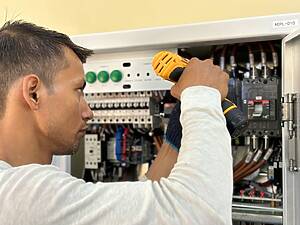
One of the primary benefits of structured cabling is its consistent performance. Unlike ad hoc cabling systems that grow messier and less efficient over time, structured cabling delivers stable connectivity and minimizes errors caused by poorly terminated cables or electrical interference.
The performance difference is especially noticeable in bandwidth-intensive applications. Structured cabling supports high-speed data transmission, which is critical for companies relying on large data transfers, video streaming, or real-time communication platforms. Furthermore, by reducing signal degradation and crosstalk, structured cabling improves overall network integrity and reduces latency issues.
A professionally installed structured cabling system also supports redundancy, which means that even if one component fails, the rest of the network remains operational. This resilience translates into fewer service disruptions, happier employees, and more satisfied clients.
Simplified Maintenance and Troubleshooting
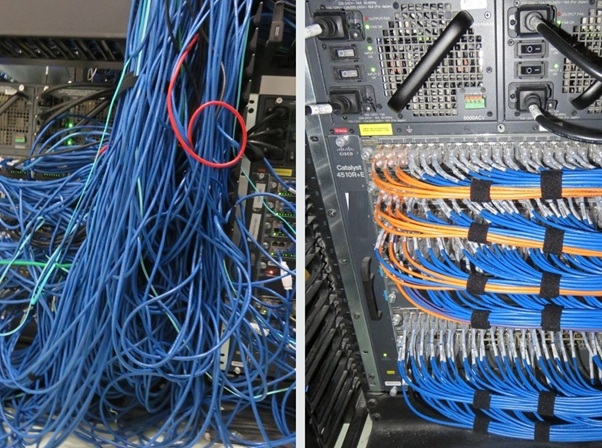
When your business experiences network issues, quick diagnosis and resolution are crucial. In an unstructured cabling system, identifying the source of a problem can be like finding a needle in a haystack. Technicians must sift through tangled, unlabeled wires, wasting valuable time and increasing the risk of further damage.
Structured cabling offers a systematic approach to troubleshooting. Cables are clearly labeled, pathways are neatly organized, and access points are easy to locate. This allows IT teams to quickly isolate and fix issues without interrupting the entire network.
This simplified maintenance also contributes to lower support costs. With less time spent on repairs and fewer outages, your IT staff can focus on strategic initiatives instead of constantly putting out fires.
Future-Proofing Your Business
Technology is evolving at a rapid pace. From cloud-based platforms to IoT devices, your business needs a network that can accommodate growth and change. Structured cabling offers the flexibility to upgrade systems and scale your network without a major overhaul.
For example, if you decide to add a new department, introduce smart building automation, or install high-definition security cameras, structured cabling makes integration straightforward. Instead of rewiring the entire building, your IT team can easily add new connections to the existing infrastructure.
Moreover, structured cabling systems are standards-compliant and built to handle the latest communication protocols. Whether your company transitions to 10G Ethernet, fiber connectivity, or unified communication platforms, your structured cabling system will be ready to support it.
Streamlined Aesthetics and Organization
Cable clutter isn’t just an eyesore, it’s a hazard. Tangled wires can overheat, interfere with airflow, and pose a fire risk. A disorganized cabling system also reflects poorly on your brand, especially if clients or stakeholders tour your facilities.
Structured cabling eliminates these concerns through organized cable management. Cables are routed through dedicated trays, panels, and racks, resulting in a tidy, professional look. This organization not only improves safety but also supports better cooling of hardware, which extends the lifespan of your equipment.
Additionally, a well-organized server room or data center allows for easier access, whether you’re performing routine maintenance or upgrading hardware. Aesthetics matter, and structured cabling ensures your workspace reflects the professionalism of your business.
Cost Efficiency Over the Long Term
Some businesses hesitate to invest in structured cabling due to the initial cost. However, the long-term financial benefits far outweigh the upfront expense. A structured cabling system reduces power consumption, minimizes repair and maintenance costs, and lowers downtime-related losses.
Furthermore, structured cabling simplifies moves, adds, and changes (MACs). Whether you’re relocating a workstation, adding a new device, or reconfiguring the network, structured cabling significantly reduces the time and labor involved. These operational efficiencies lead to substantial cost savings over time.
When you partner with a professional cabling provider like datanet IT, you also receive ongoing support and documentation that help preserve the system’s value and performance for years.
Compliance and Standards Adherence
In today’s regulatory environment, compliance matters more than ever. Structured cabling systems are designed in accordance with international standards such as ANSI/TIA-568, ISO/IEC 11801, and BICSI best practices. These standards ensure interoperability, safety, and performance consistency across all network components.
Non-compliant cabling systems not only underperform but also pose legal and insurance risks, especially if they contribute to system failures or accidents. When installed correctly, structured cabling meets local and industry-specific compliance requirements, giving you peace of mind and protecting your business from liability.
Working with certified technicians like those at datanet IT ensures that every aspect of your structured cabling system meets or exceeds the latest standards. Our team uses only top-tier materials and proven techniques to deliver dependable, compliant infrastructure.
Structured Cabling for Different Business Environments
Every business is unique, and your cabling system should reflect your specific needs. Structured cabling is highly adaptable and can be tailored for a wide range of industries and facilities—from small offices to large-scale campuses.
In office environments, structured cabling supports everything from desktop connectivity and wireless access points to VoIP phones and video conferencing systems. In warehouses and industrial facilities, it powers automation systems, security networks, and inventory management solutions. In data centers, it connects racks, servers, and storage devices while ensuring optimal airflow and scalability.
At datanet IT, we begin every project with a comprehensive site assessment to understand your current setup and long-term goals. We then design a structured cabling system that meets both your functional needs and budgetary considerations.
The Role of Professional Installation and Testing
Even the best cabling materials can underperform if not installed correctly. That’s why professional installation is critical to the success of your structured cabling system. At datanet IT, our certified technicians follow rigorous processes to ensure every cable is terminated, labeled, and tested to meet or exceed industry standards.
We are proud to have RCDD (Registered Communications Distribution Designer®) certified architects on staff. These professionals bring advanced knowledge of network design and layout, helping you organize your data center and structured cabling systems with precision. RCDD-certified installers are trained to get the job done right the first time, which means your business gets up and running faster and avoids the delays and costs associated with rework or poor planning. Their expertise results in both time savings and cost control—a critical combination for businesses aiming for efficient growth.
We use state-of-the-art tools to test each cable for continuity, attenuation, and performance. This thorough testing process prevents issues before they arise and ensures your network runs smoothly from day one.
Additionally, our team documents every aspect of the installation, from cable routes to patch panel layouts. This documentation becomes invaluable for future upgrades or repairs, eliminating guesswork and reducing downtime.
datanet IT’s Expertise in Structured Cabling
With years of experience and a deep understanding of network infrastructure, datanet IT offers end-to-end structured cabling services tailored to your business. From planning and design to installation and ongoing support, we provide scalable solutions that grow with you.
Our structured cabling services include:
- Copper and fiber optic cabling
- Cable testing and certification
- Server room design and build-outs
- Patch panel installation and labeling
- Network documentation
- Compliance audits and upgrades
Whether you’re building a new office, relocating, or upgrading your current setup, datanet IT delivers the expertise and attention to detail your business deserves. We partner with leading manufacturers and stay current with the latest standards and technologies to provide infrastructure that performs at the highest level.
At datanet IT, we believe that every business deserves a cabling infrastructure designed for performance, flexibility, and reliability. Contact us today to learn how our structured cabling services can transform your operations from the ground up.